

MSc Computer Science (Negotiated Learning)
The MSc in Computer Science by Negotiated Learning is a uniquely flexible and innovative programme. It offers a customisable learning model for students with an ICT background, allowing you to tailor your educational path to meet your specific needs and career aspirations.
Duration
1 year (Full-time)
2 years (Part-time)
Starting Date
September
Tuition Fee
For information about tuition fees, please contact UCD using the enquiry form.
Location
Dublin, Ireland
About the programme
Students can choose from a wide selection of approximately 80 modules, organised into 5 streams: Foundations of AI, Networks and Distributed Systems, Software Engineering, Machine Learning and Data Science, and Information and Communication Sciences and Languages. You have the option to specialise in a specific stream by selecting modules exclusively from that stream or to combine modules from multiple streams.
Upon acceptance into the programme, each student will participate in personalised faculty-led Student Needs Assessment (SNA) sessions. These sessions are designed to evaluate your prior experience, identify any knowledge gaps, and clarify your career goals.
Students are offered the opportunity to undertake an internship* during the course. The following internships are examples of past placements: Amazon, SAP, Dell, Ericsson, HubSpot, HealthBeacon, Autodesk, Microsoft, Equifax, Spanish Point, Vectra AI, Adaptemy and Deciphex.
*Placements are secured through a competitive process and are not guaranteed.
Career opportunities:
Previous graduates are in demand, with recent employers including Google, SAP, Intel, PayPal, Deloitte, Microsoft, Salesforce, Pfizer, Ericsson, and others.
Graduates have secured roles in artificial intelligence, software engineering and QA, data programming and analysis, commercialisation of technology, teaching and training, security and forensics consultancy, and bioinformatics R&D.
Programme Structure
Sample Modules and Topics (Subject to change and are not guaranteed by UCD):
While the course offers some modules that are taught online, these options are limited, and it is not normally possible to complete this degree without substantial regular attendance at daytime lectures and practicals on campus in UCD.
Streams and Modules
Foundations of AI
- Text Analytics
- Artificial/Human Intelligence
- Human-Centred AI
- (and more)
Machine Learning and Data Science
- Machine Learning with Python
- Deep Learning
- Big Data Programming
- (and more)
Networks and Distributed Systems
- Blockchain & Decentralisation
- Cloud Computing
- Distributed Systems
- (and more)
Software Engineering
- Contemporary Software Development
- Ethical Hacking
- Advanced Data Structures in Java
- (and more)
Information and Communication Sciences, Languages
- Information Security
- Information Theory
- Information Visualisation
- Enviro-Tech Boot Camp
- (and more)
Student Testimonial

This course has helped me become more structured and practical in how I work with data.
I am currently still a government officer for the Office of the National Anti-Corruption Commission Thailand, and I took educational leave to further develop my technical skills. In my role, I already work with governance-related data and reporting processes, so I understand its importance in supporting transparency and decision-making.
However, I recognised the need to deepen my knowledge in data governance, data structuring, and system design, especially to improve how data is managed and used more efficiently for both operational work and long-term planning in digital transformation initiatives.
Through this course, I have developed a more systematic approach to working with data. I now focus more on data quality, how datasets are structured, and how information flows from collection to analysis, ensuring that data is reliable and usable for practical purposes beyond reporting.
It has also improved how I approach problem-solving. I now consider how data can be managed within a broader governance framework to support more efficient decision-making and policy planning.
Overall, the course has strengthened both my technical thinking and my ability to apply data governance and analytics in a more practical and impactful way in my current role.
Dujnapa Tanundet, Government Officer at Office of the National Anti-Corruption Commission Thailand
Other interesting programmes
-
-

BSc Sport, Health and Exercise Science (Hons)
- With the Sport, Health and Exercise Science (Hons) programme from University College Dublin, led by top industry professionals in state-of-the-art facilities, you will…
With the Sport, Health and Exercise Science (Hons) programme from University College Dublin, led by top industry professionals in state-of-the-art facilities, you will study the scientific principles underlying the promotion and enhancement of sport, physical health and exercise across the lifespan.
-
-
-
BSc Sport and Exercise Management (Hons)
- Turn your passion for sport into the skills to lead it. The global sport and exercise industry needs more than…
Turn your passion for sport into the skills to lead it. The global sport and exercise industry needs more than enthusiasm. It needs people who understand how to manage organisations, develop programmes, engage communities, deliver events and respond to a rapidly changing industry.
-
-
-

MSc Management (Online)
- This exciting programme offers you all the benefits of a comprehensive management education without putting your career on hold thanks…
This exciting programme offers you all the benefits of a comprehensive management education without putting your career on hold thanks to its highly flexible online delivery mode, and innovative curriculum and learning resources.
-
-
-
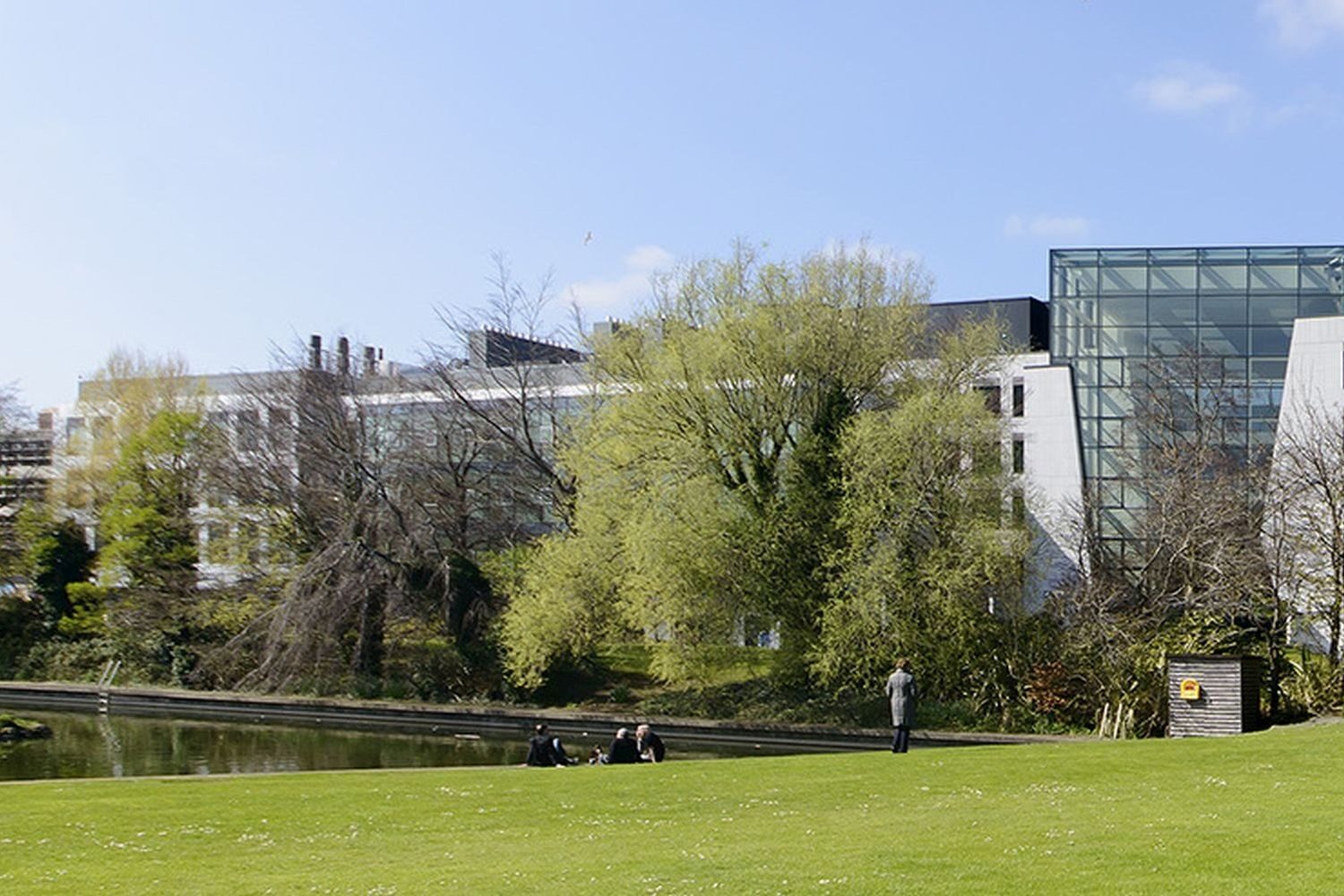
MSc Chemistry (Negotiated Learning)
- The MSc Chemistry (Negotiated Learning) is a flexible course that offers a diverse array of modules in a variety of…
The MSc Chemistry (Negotiated Learning) is a flexible course that offers a diverse array of modules in a variety of chemistry topics. The course is suitable for you if you wish to sample different sides of the discipline ranging from the mathematical, physical and materials disciplines to the biological end of the scientific spectrum.
-
-
-

MSc Computer Science (Negotiated Learning)
- The MSc in Computer Science by Negotiated Learning is a uniquely flexible and innovative programme. It offers a customisable learning…
The MSc in Computer Science by Negotiated Learning is a uniquely flexible and innovative programme. It offers a customisable learning model for students with an ICT background, allowing you to tailor your educational path to meet your specific needs and career aspirations.
-
-
-

MSc Biotechnology
- The MSc Biotechnology at University College Dublin is a one-year, full-time programme designed to deepen your understanding of the principles…
The MSc Biotechnology at University College Dublin is a one-year, full-time programme designed to deepen your understanding of the principles and applications of biotechnology. This degree, awarded at NFQ Level 9, offers an in-depth exploration of the biotechnology sector, which is vital to Ireland's economy and global standing in biopharmaceuticals.
-
-
-

MSc Urban Design and Planning
- The Urban Design and Planning course at University College Dublin will enable graduates to work as part of a multidisciplinary team to create better…
The Urban Design and Planning course at University College Dublin will enable graduates to work as part of a multidisciplinary team to create better places through urban design.
-
-
-
MSc Sport Management (Sport)
- Move from following the sport industry to helping lead it. Sport is a global industry shaped by commercial pressure, changing…
Move from following the sport industry to helping lead it. Sport is a global industry shaped by commercial pressure, changing audiences, new technologies, governance challenges and the pursuit of high performance. Passion can motivate you to enter the industry, but building a successful management career requires more.
-
-
-
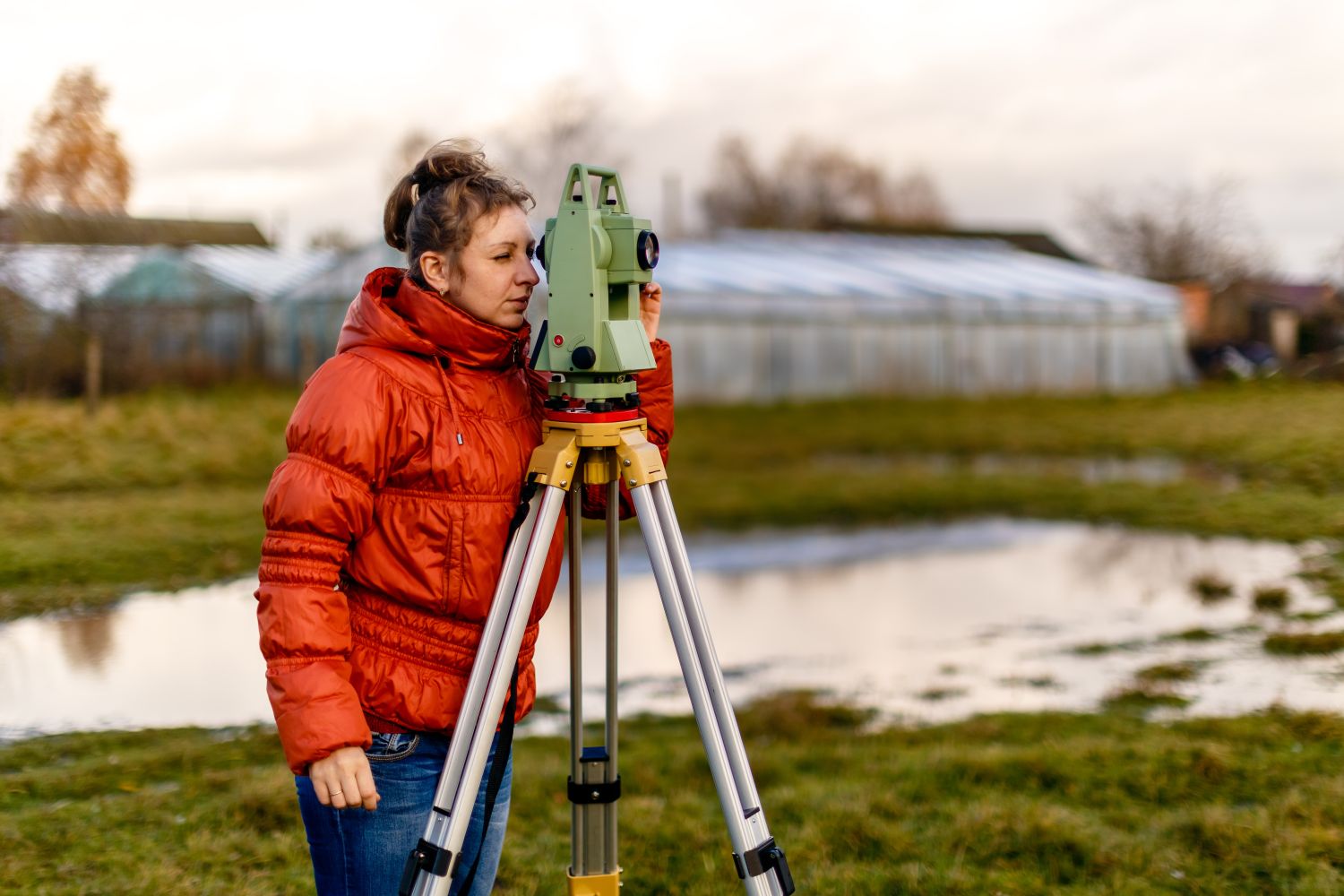
MSc Restoration Ecology – Negotiated Learning
- This Restoration Ecology - Negotiated Learning from University College Dublin is the first programme of its kind in Ireland dedicated specifically to…
This Restoration Ecology - Negotiated Learning from University College Dublin is the first programme of its kind in Ireland dedicated specifically to restoration ecology and ecosystem recovery.
-
-
-

MSc Precision Medicine
- The Precision Medicine at University College Dublin is a one-year, full-time programme designed to equip students with advanced knowledge in…
The Precision Medicine at University College Dublin is a one-year, full-time programme designed to equip students with advanced knowledge in genomically informed medicine. This course offers a comprehensive curriculum, blending clinical research with practical applications, preparing graduates for impactful careers in healthcare and biotechnology.
-
-
-
MSc One Health
- This One Health from University College Dublin will equip graduates with the skills, knowledge and capabilities to have successful careers in this…
This One Health from University College Dublin will equip graduates with the skills, knowledge and capabilities to have successful careers in this exciting and rapidly growing field.
-
-
-

MSc Healthcare Informatics
- The Healthcare Informatics at University College Dublin is a full-time, one-year programme designed for those in healthcare and IT sectors.…
The Healthcare Informatics at University College Dublin is a full-time, one-year programme designed for those in healthcare and IT sectors. This course equips students with essential skills in medical informatics, enabling them to effectively utilise technology in healthcare settings.
-